Date: Dec 05, 2025
Access to safe, clean water is something many of us take for granted — but for thousands of families in remote or underserved communities, reliable clean water is a lifeline. Thanks to the clean water initiatives led by Madina Foundation, entire villages are receiving that lifeline. Not only does this mean fewer trips to distant wells or rationed water use for cooking and washing, but it also leads to profound health benefits that ripple through families and future generations.
In many rural and peri‑urban areas, “water” doesn’t guarantee safety. Contaminated wells, open canals, and unprotected springs often serve as the main sources for drinking, cooking, bathing, and washing. These sources may look fine but can contain dangerous bacteria, viruses, or chemical contaminants. For families relying on this water daily, the consequences can be serious — recurring illness, poor hygiene, and long-term health risks.
When water is polluted, a host of diseases can emerge. Common waterborne threats include:
Children, elderly people, and those with weaker immune systems are especially vulnerable. Frequent illness disrupts schooling, reduces productivity, and adds financial burden for poor households.
Before any pipes are dug or filtration tanks installed, Madina Foundation works directly with communities to understand their needs. This involves:
This ground-up approach ensures that any water project reflects real needs and gains community trust from the start.
Depending on what the assessment reveals, Madina Foundation sets up:
Covered wells and sealed systems prevent exposure to contaminants, while filtration units help remove bacteria and impurities — making water safe for drinking and cooking.
Having clean water points isn’t enough. The foundation also runs hygiene awareness sessions to teach families about:
This education helps ensure the clean water remains safe all the way from tap to table.
With clean water on tap, the frequency of diarrheal episodes, stomach infections, and other waterborne illnesses drops sharply. For children under five — who are particularly vulnerable — this means fewer hospital visits, fewer days missed from school, and stronger overall health. Parents report reduced healthcare expenses and greater peace of mind.
Clean water encourages better hygiene habits: washing hands after latrine use, washing fruits and vegetables thoroughly, and regular cleaning of clothes and cooking utensils. All these small habits contribute significantly to reducing infections and improving daily quality of life.
When water is safe and reliable, families are more likely to cook nutritious meals at home. Children grow stronger, immune systems are boosted, and there is less malnutrition and fewer illness-related setbacks.
Health improvements don’t just benefit individuals — entire communities become stronger. With fewer illnesses, people are more productive; children attend school regularly; women and elders have more time and energy for meaningful tasks. The ripple effect touches education, income, and overall community well-being.
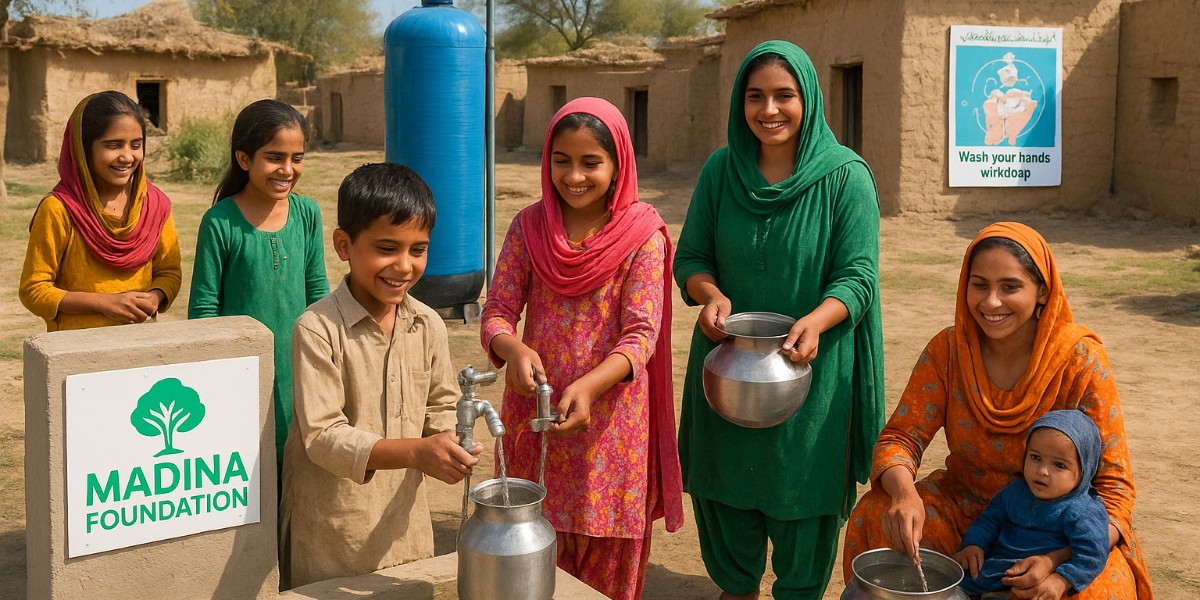
Imagine a village where water once had to be hauled by hand from a distant well, contaminated and unreliable. Children often missed school because of repeated stomach sickness. Now, thanks to Madina Foundation’s clean water project, a simple tap in the neighborhood gives families clean, filtered water. Children are healthier, mothers no longer travel long distances carrying heavy containers, and families cook safely. The whole community has lower medical costs and a renewed sense of hope.
When children grow up drinking clean water consistently, they avoid growth setbacks and chronic diseases. Over time, entire generations benefit from reduced disease burdens and improved health outcomes.
With illnesses reduced, families spend less on medicines and clinic visits. Adults miss fewer work days, and children attend school more consistently. Communities can better allocate resources toward education, livelihood, or home improvements.
Clean water projects reduce dependency on unsafe wells or contaminated surface water. This helps protect local water tables and reduces environmental stress. Having communal water points also strengthens social cohesion as people collaborate to maintain shared resources.
Even with safe water supply, proper habits matter:
These simple practices help preserve the health benefits long-term.
Clean water is more than a convenience — it's a foundation for health, dignity, and progress. By delivering safe water infrastructure, hygiene education, and community-focused solutions, Madina Foundation’s clean water projects are improving public health in meaningful, lasting ways. Families are healthier, children grow stronger, and communities thrive with renewed hope and opportunity.
Relevant Blogs
