Date: Dec 20, 2025
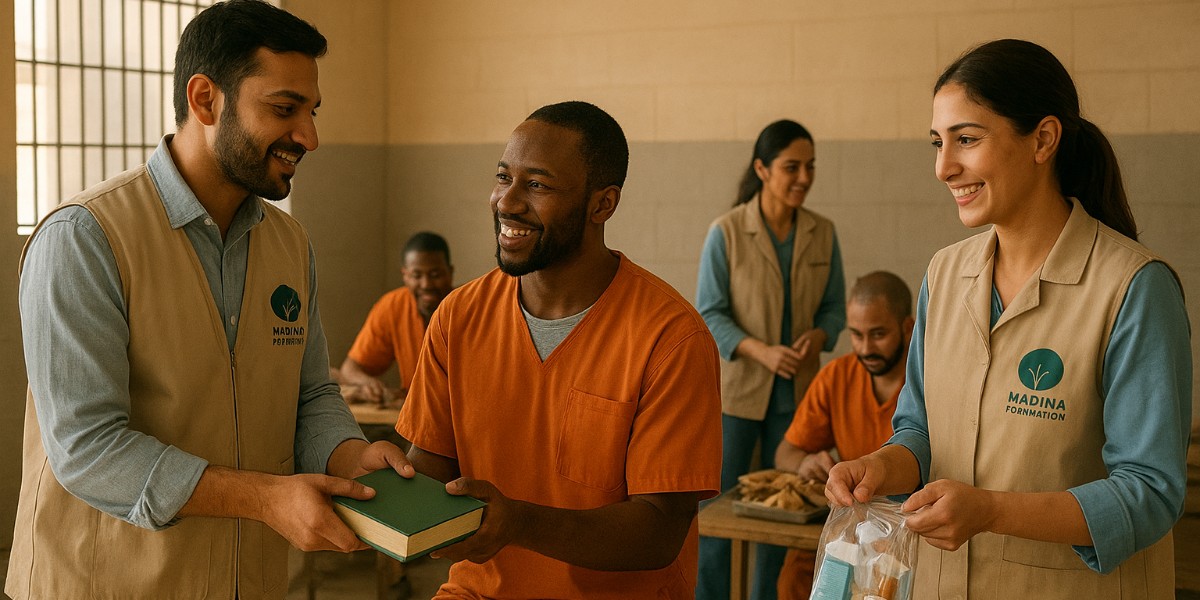
Prison life can be one of the most challenging experiences a person faces. Beyond the loss of freedom, prisoners often struggle with social isolation, lack of educational opportunities, and emotional distress. Recognizing this, Madina Foundation has stepped forward with comprehensive prisoner welfare assistance programs designed to restore hope, dignity, and opportunities for reintegration into society. These initiatives not only support prisoners during their incarceration but also help them rebuild their lives after release.
Prisoners often face overcrowded conditions, limited access to healthcare, and restricted personal freedom. These factors can lead to:
Many prisoners experience social stigma, which affects their relationships with family and community. Lack of proper support can lead to feelings of hopelessness, making reintegration into society after release even more difficult.
Madina Foundation’s prisoner welfare initiative aims to address these challenges holistically. Its mission revolves around:
The program is built on the belief that every individual deserves a second chance to live a productive and meaningful life.
Education is a cornerstone of rehabilitation. Madina Foundation offers:
These opportunities help prisoners gain confidence, improve employability, and prepare for life beyond prison walls.
Madina Foundation recognizes the importance of emotional support. Counseling sessions provide:
Regular counseling sessions improve mental well-being and encourage prisoners to adopt a positive mindset.
Many prisoners lack access to essential items. The foundation distributes:
These provisions ensure a dignified standard of living within correctional facilities and reduce daily hardships.
Preparing prisoners for life after release is crucial. Madina Foundation facilitates:
This approach creates a smoother transition back into society, fostering independence and self-sufficiency.
Prisoners involved in the welfare programs report increased self-esteem and optimism. Education, vocational skills, and counseling help them envision a future beyond confinement.
By equipping prisoners with practical skills and emotional resilience, Madina Foundation contributes to reducing repeat offenses, ultimately benefiting families and communities.
Programs that involve family engagement allow prisoners to maintain relationships and rebuild trust, creating a stronger support system upon release.
Consider a prisoner who struggled with illiteracy and felt disconnected from society. Through Madina Foundation’s literacy and vocational programs, he learned to read, acquired tailoring skills, and started contributing positively to his community upon release. Stories like this highlight how structured welfare programs can transform lives, restore dignity, and foster hope.
Helping prisoners is not just an act of compassion—it has broader societal benefits:
Supporting prisoners ensures safer, healthier, and more inclusive communities.
Madina Foundation encourages public participation to expand the reach of its prisoner welfare programs. Ways to contribute include:
Even small contributions can make a meaningful difference in a prisoner’s life.
Madina Foundation’s Prisoner Welfare Assistance programs are a beacon of hope for individuals navigating the challenges of incarceration. Through education, emotional support, skill development, and reintegration efforts, the foundation restores dignity, confidence, and opportunity. These initiatives prove that with compassion, guidance, and practical support, prisoners can rebuild their lives and contribute positively to society. By empowering them today, Madina Foundation is shaping a safer, more empathetic community for tomorrow.
The primary goal is to provide prisoners with education, emotional support, vocational skills, and reintegration opportunities to rebuild their lives.
Through regular counseling sessions, stress management workshops, and emotional guidance to improve well-being and self-confidence.
Yes, the program offers literacy classes, vocational training, books, and stationery to enhance learning and skills development.
Madina Foundation supports reintegration through family engagement, job placement guidance, and community awareness to reduce stigma.
Yes, through donations, volunteering, or spreading awareness, the public can help expand the program’s reach and impact
Relevant Blogs
